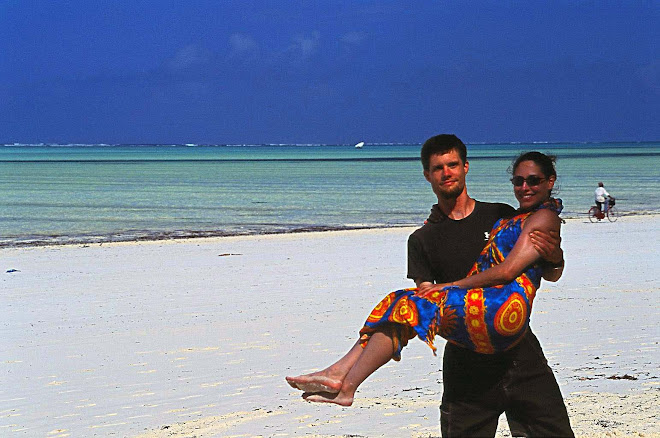

Morocco has something for everyone from water sports to camel safaris, ancient roman ruins to medieval islamic cities, long beaches to long mountain trails. With Abi, however we had cut back our normal adventurous inclinations and simplify things. So our main goal was to enjoy the many ancient medinas across the country, soak up the culture, enjoy the beaches and find whatever adventure came our way.
Accommodation
 Riads are traditional Moroccan houses with a central court yard. They are life savers for families. Spacious, comfortable, and quiet, riads are a retreat of relaxation from the hectic street just outside their walls. Most are immensely accommodating to travelers with toddlers and provide cribs. Breakfast is the best meal for children. In the riads breakfast is complimentary and healthy with fruit, cereal, homemade yogurt, juice and pancakes. We tried to maintain her routine as much as possible. The chores also became routine, washing dishes and clothes.
Food
 As for food, Abi was still using formula which is available in pharmacies and larger supermarkets in the new parts of town. Jars of baby food are also sold here but the selection is limited to Moroccan flavored beef or chicken with vegetables. Much of Moroccan food is rather soft. Tajines are basically stews of slowly cooked meat and vegetables easily chewed by those with little to no teeth. Couscous is a common staple which is easily eaten by toddlers as well. And the fruit shakes were marvelous for all.
 Equipment
 We really were not sure what to bring. There is only a limited amount that we could carry. We brought a two week supply of baby food and several sets of utensils. We brought only three books and a few toys for Abi, including cups and some balls, these seemed sufficient. All across Morocco diapers were in plentiful supply, wipes less so, bring your own and use sparingly. Stick with the name brands. Large strollers will not negotiate busy narrow streets or fit on trains and buses. Use a small and light umbrella stroller. Sometimes the streets are too bumpy or hilly and a small carrier, like a baby bjorn is useful and doesn’t take too much room in the pack. The big backpack carrier wasn’t as useful to us although it was amazing how cool our carrier kept Abi in really hot conditions. Bring a good hat and sunscreen for everyone. Binkies, snacks, and a small toy or book are indispensable for travel days. Diapers and wipes-available, recommend using name brands as the cheaper ones are of poor quality. Always use bottled water.
 Heat
HeatThe temperature in the cities was not as hot as we had expected. The compact medinas with their thick and tall mud-brick walls are incredible air-conditioners and trap the cool night air throughout the day. Many streets are also covered. We even had several thunderstorms to cool things off. The coastal towns were actually cool, especially Essaouira which had a fierce wind for several days. So bring layers.
Traveling around
Getting from point to point was the hardest part. The Supratour buses are good and the trains are efficient and comfortable, except sometimes the air-conditioning doesn’t work. If you are taking a small jaunt a grand taxi is better than a bus and is a good deal. Taxis are good in cities, just make sure you know the right price before agreeing. We were traveling in Morocco for 7 weeks, but if you are traveling for only 3 weeks or less we would recommend renting a car. Use a company that can provide child seats.
Interests for Children
 There were plenty of interests for Abi in Mororcco. The beach was a big hit, it gave her confidence to walk. She was endlessly fascinated by the multicolored lanterns and lights; and the call to prayer. Horse rides received lots of clapping. She loved watching the cats, which out number dogs considerably; birds intrigued her, and well she didn’t know what to think about the poisonous snakes. Neither did we.
 Interactions
The best part about the journey were the people. Moroccans are very family oriented and love children. People of all ages and genders were eager to meet Abi and wiggle her feet or kiss her. In any one day in Morocco, Abi had been kissed by more people than her first year of life in the States. It was very sweet and genuine.
Conclusion
Our time in Morocco was exhausting with little Abi, however, our experience was overwhelmingly positive and our first of many memorable family trips.
What's to come
We will post our journey which can already be viewed on YouTube but we will also include writing and photos of the trip in the blog.
We will post our journey which can already be viewed on YouTube but we will also include writing and photos of the trip in the blog.


 Posts
Posts